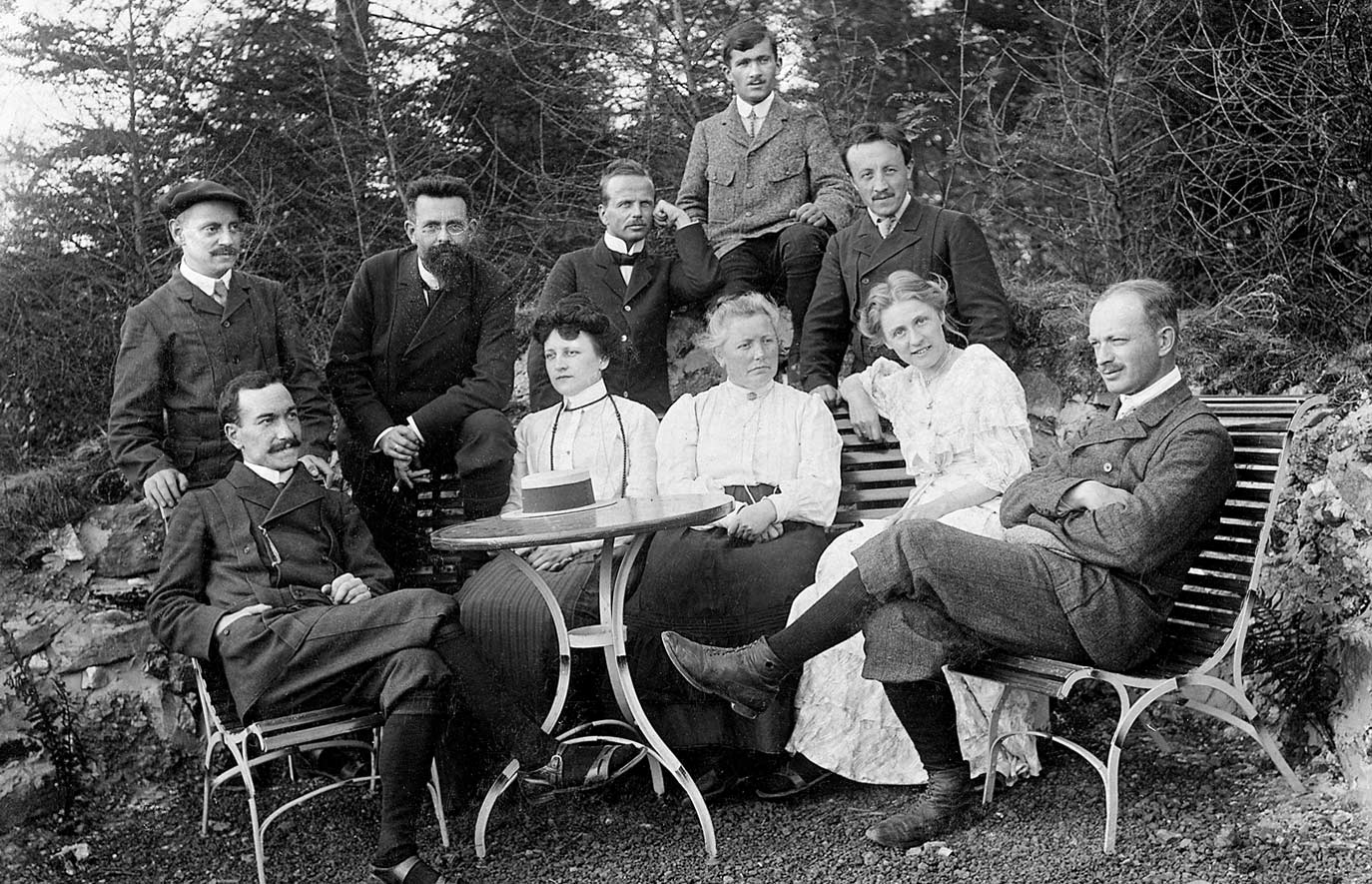
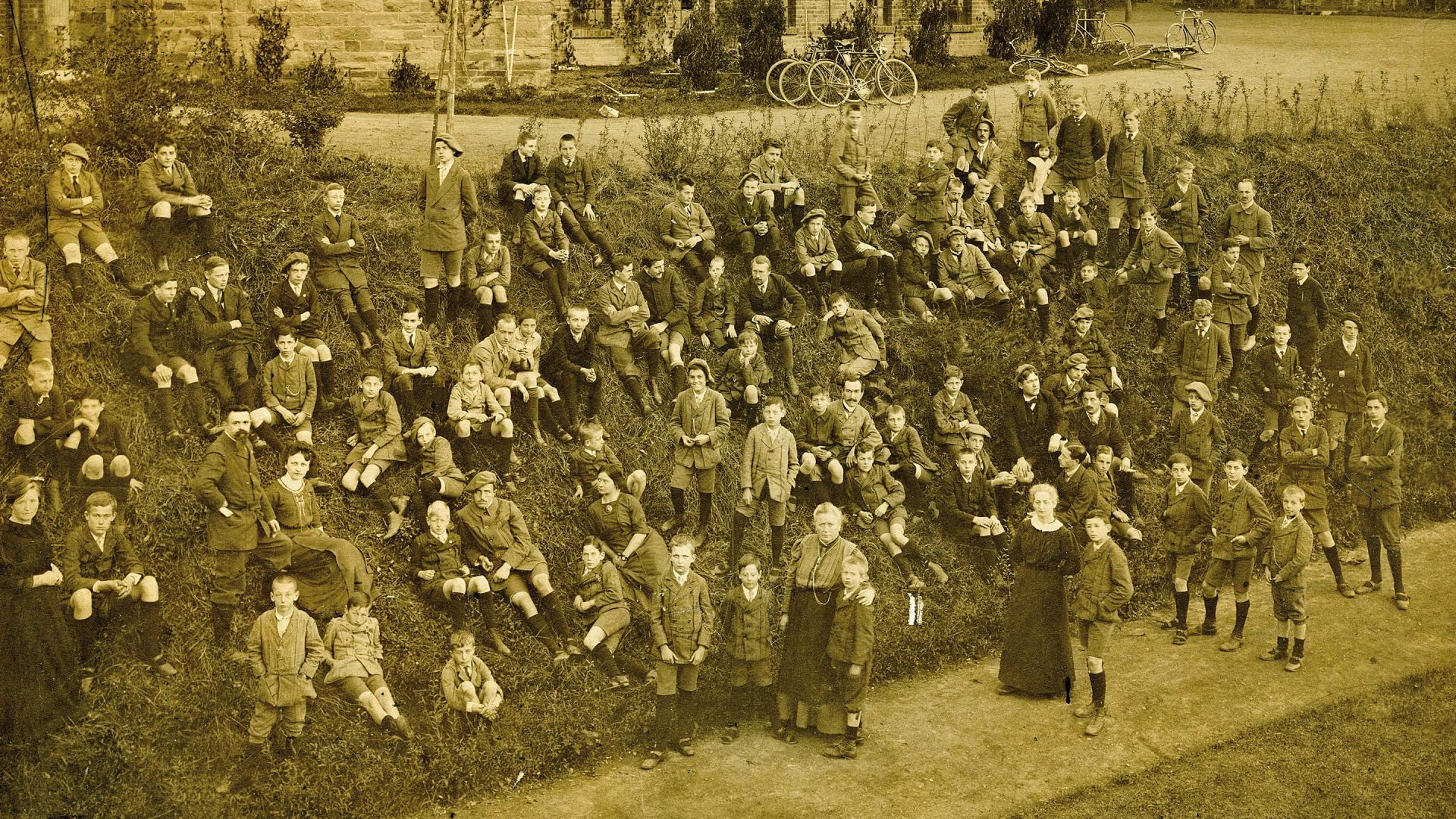

If the Solling boarding school were founded today, it would probably be called a parents’ initiative. The foundation stone was laid in 1909 thanks to the commitment of a group of parents, first and foremost Dr. Hermann Schmilinsky from Hamburg, who encouraged four teachers to set up their own school.
These educators had previously taught at the first German Rural Education Home in Ilsenburg, which deliberately distanced itself from authoritarian drill and cramming methods. After a conflict with the founder Hermann Lietz, they left the school, but remained convinced of the progressive pedagogical principle of the unity of learning and life with head, heart and hand.
On November 11, 1908, the four teachers met in Wernigerode for a St. Martin’s goose dinner and decided to put their plan into practice – a day that is still celebrated today at the boarding school with a large goose dinner.
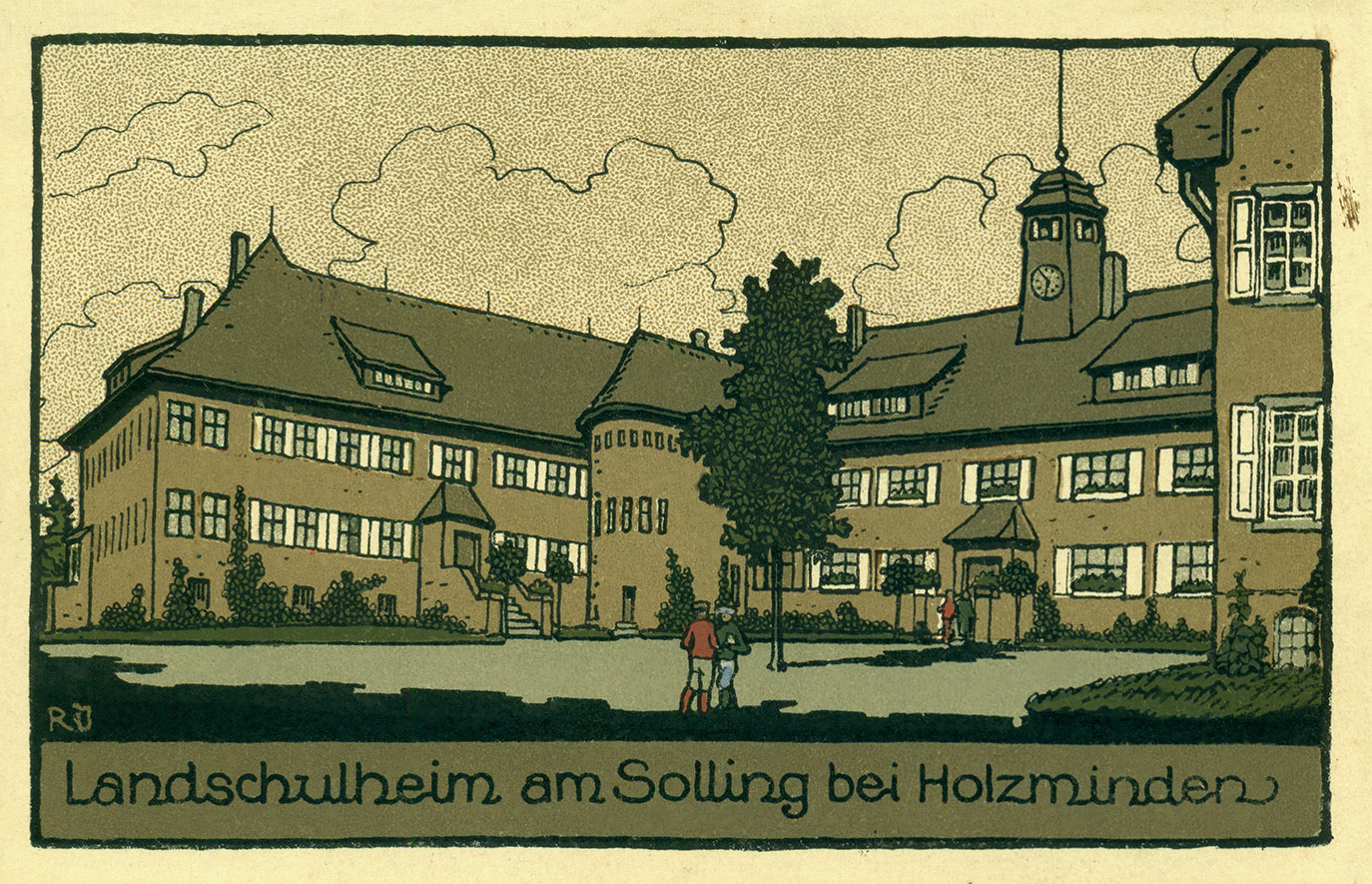
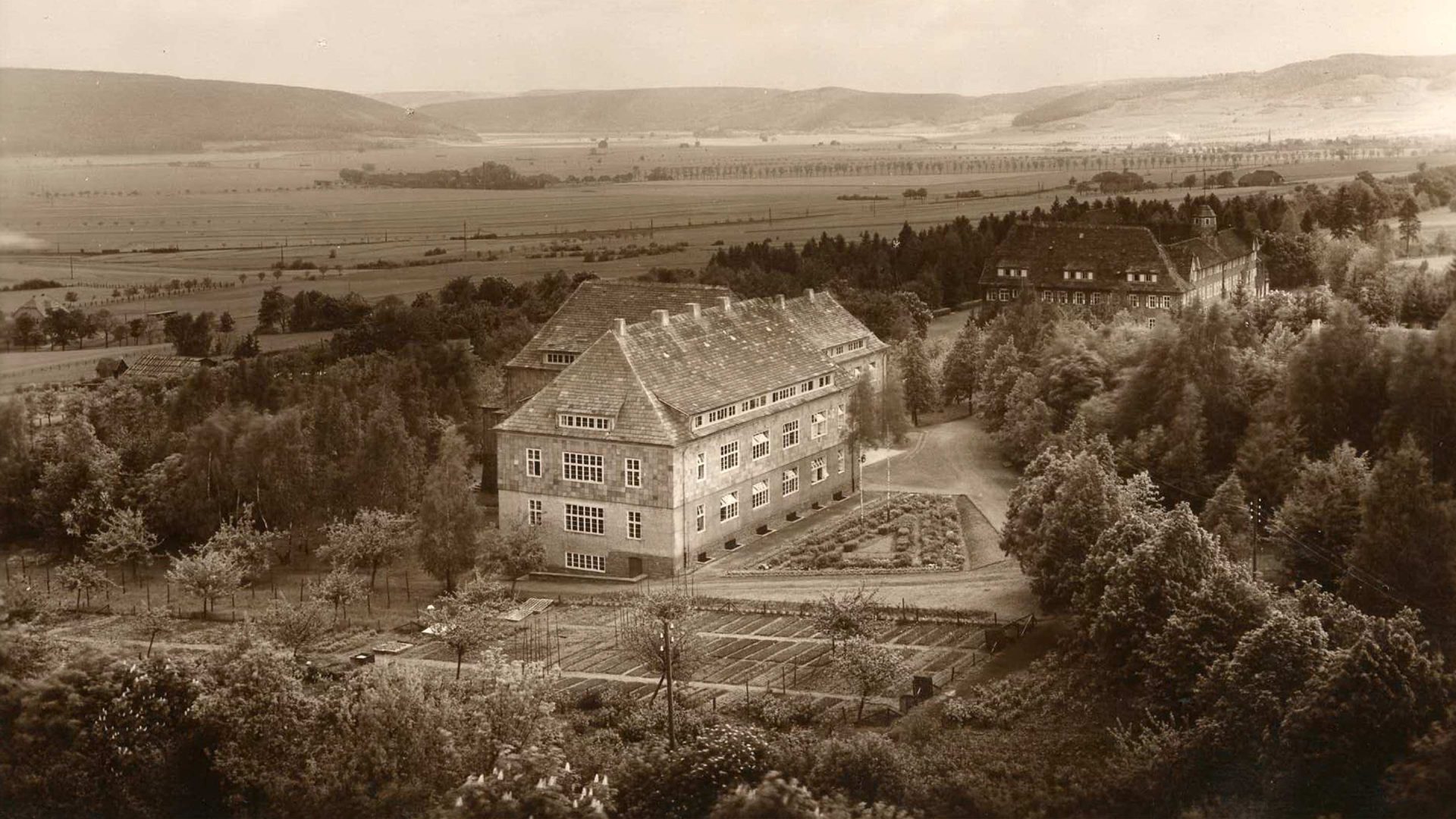
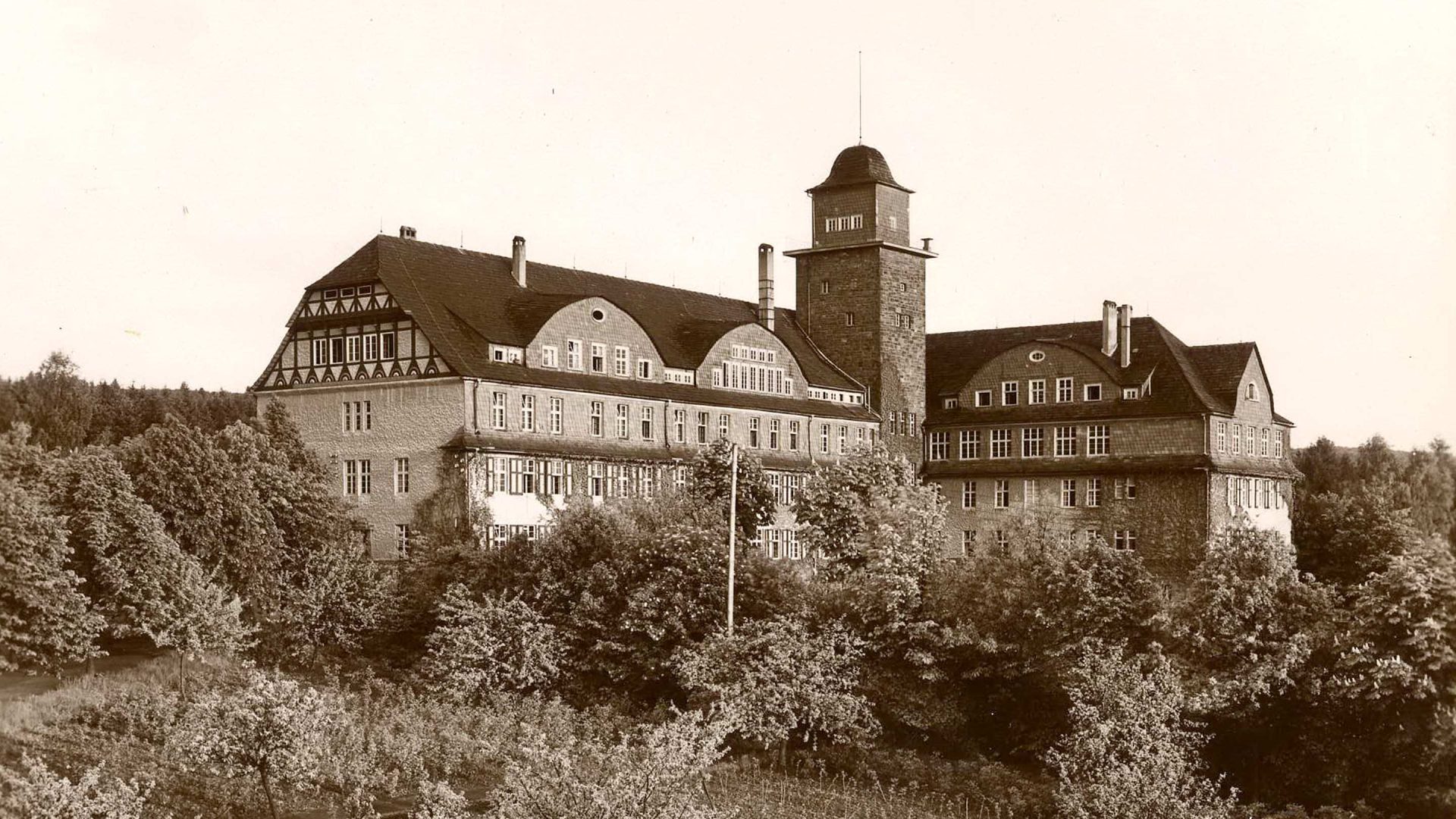
The “Oberharzer Landschulheim Hohegeiß” began temporarily in a hotel, but soon Holzminden was chosen as the final location. In May 1909, the foundation stone for the House of Commons was laid, and in January 1910 the first students and teachers moved in. The name of the new school: Landschulheim am Solling
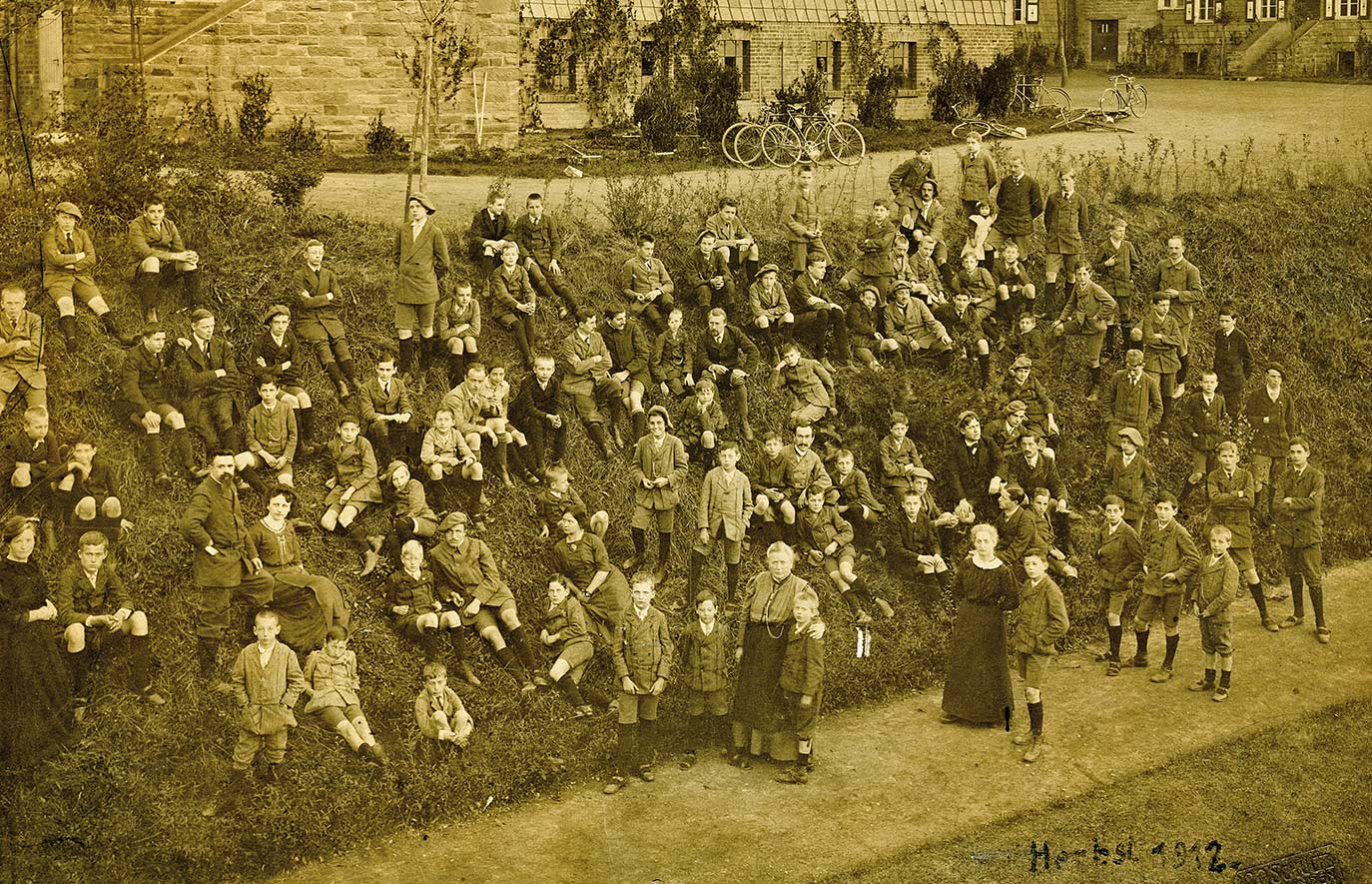
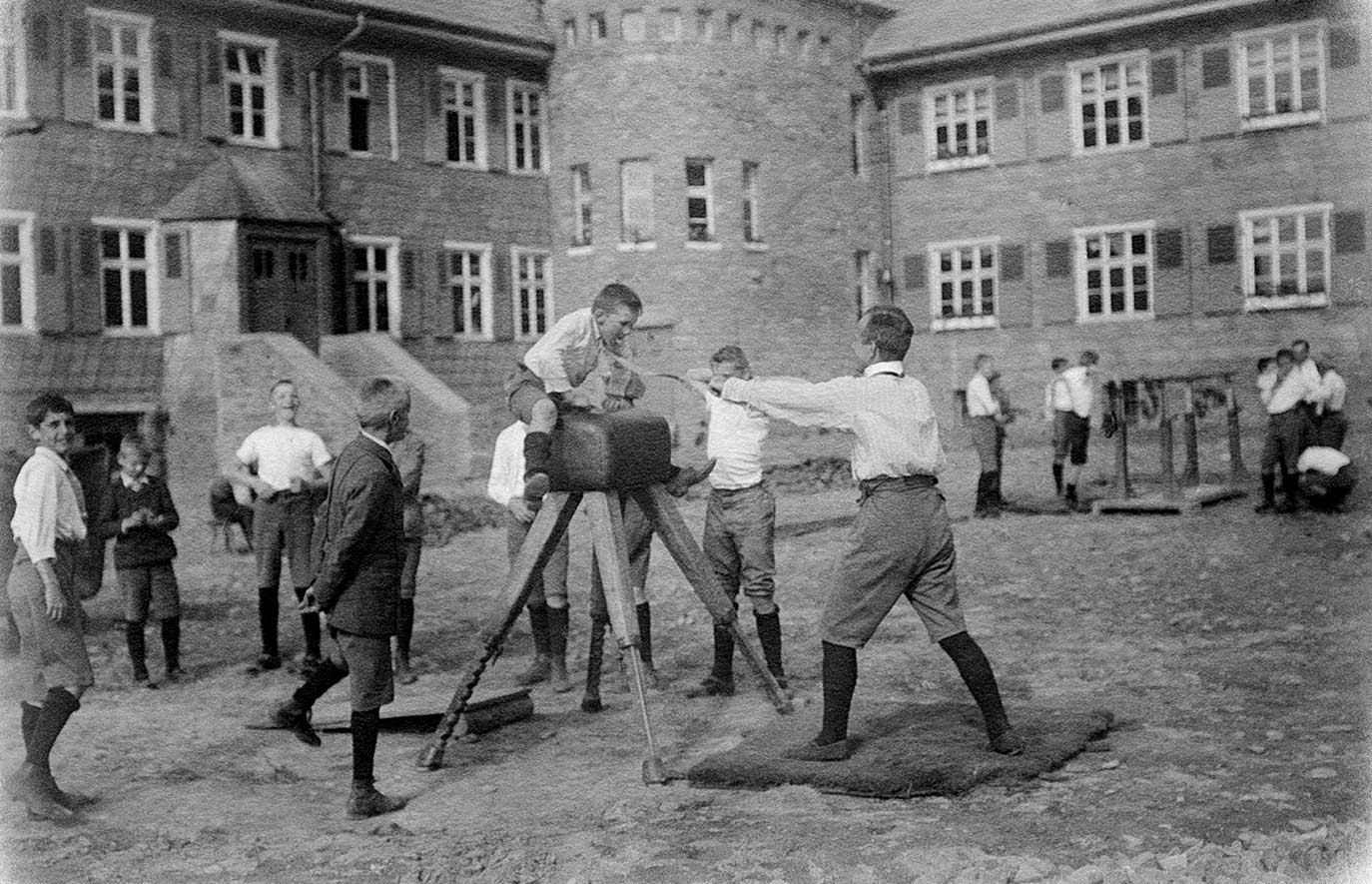
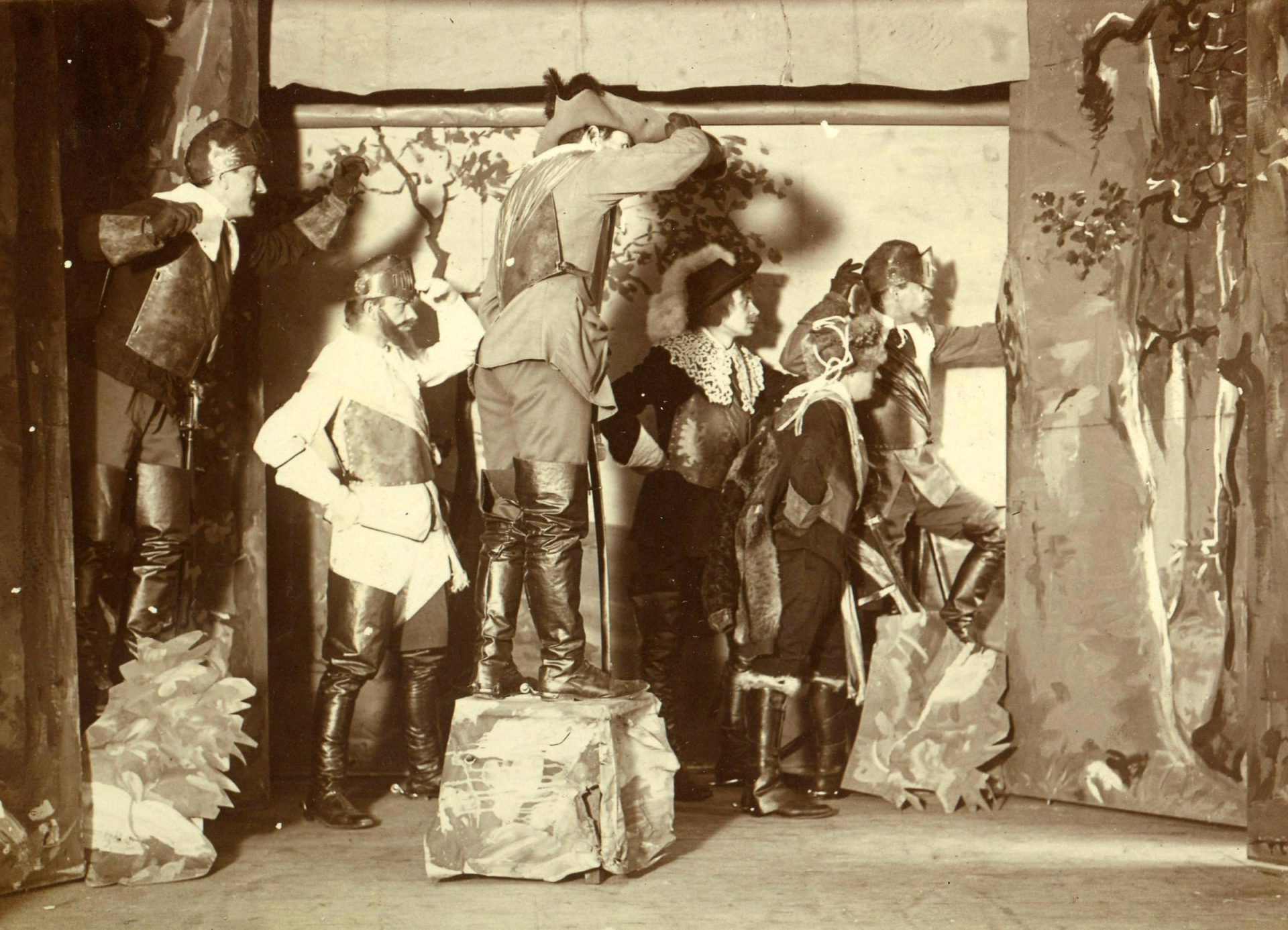
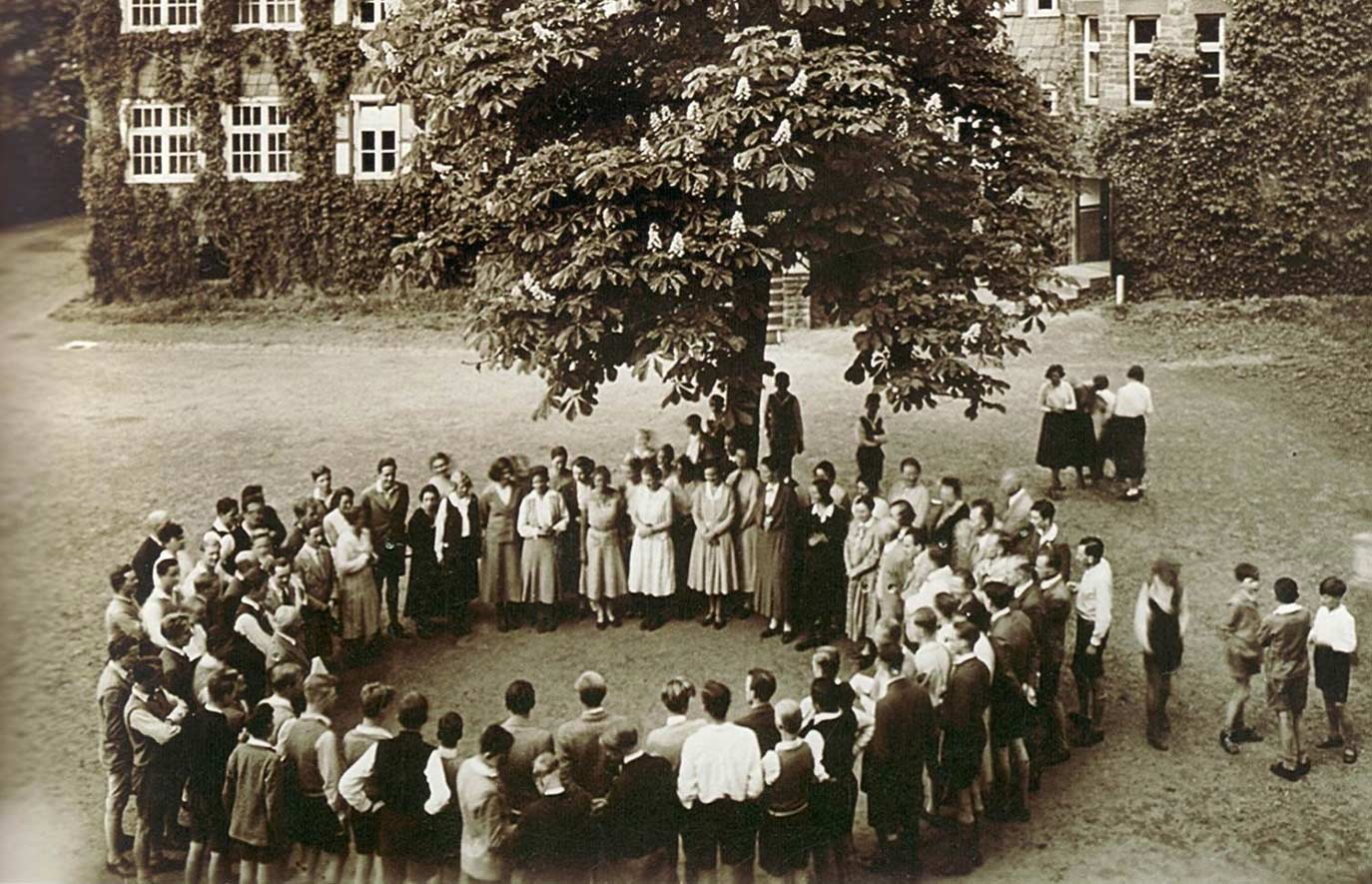
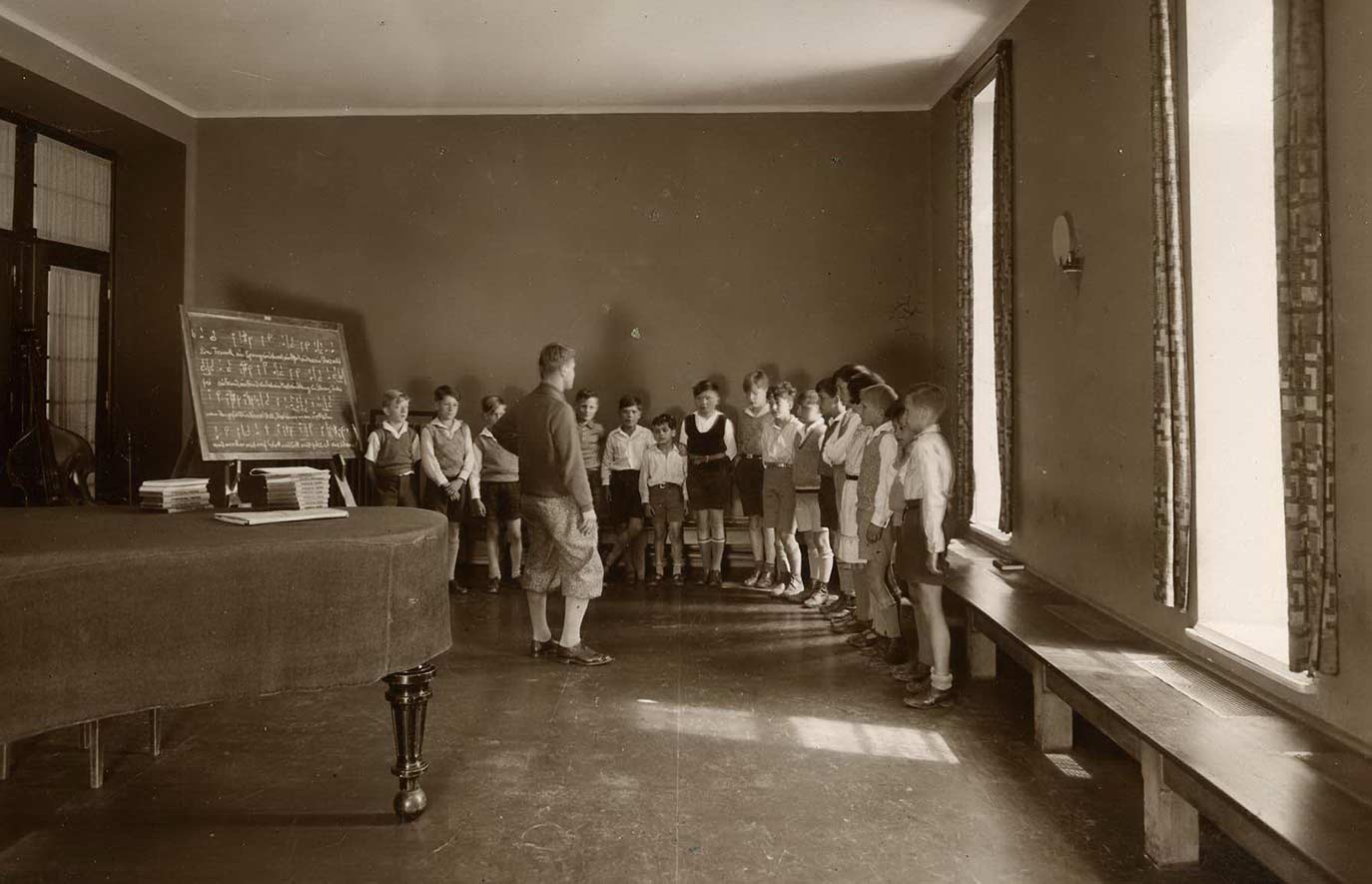
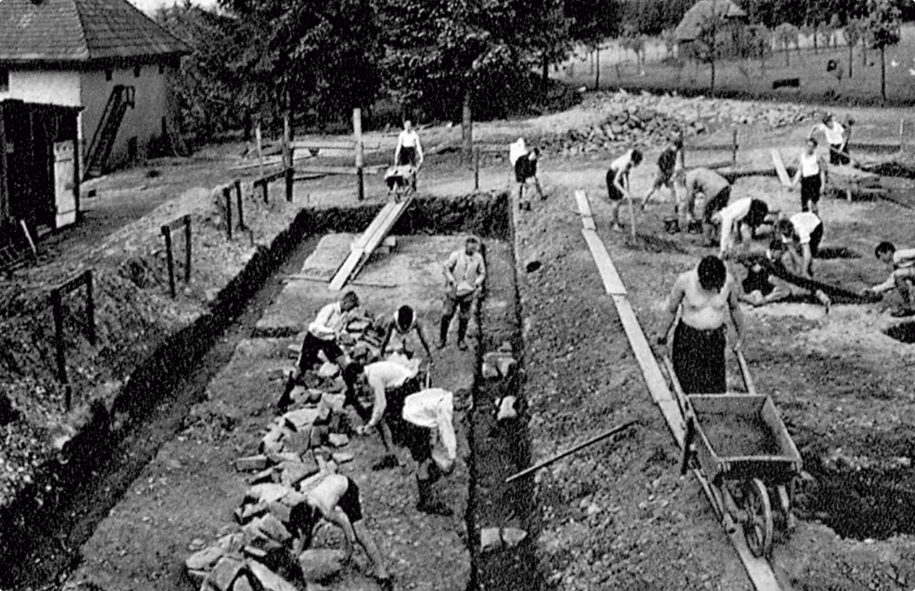
From the very beginning, the teachers were also educators, lived and worked with the pupils and integrated sports, crafts, art, music and theatre into everyday life. That hasn’t changed to this day.
The boarding school grew steadily, but the First World War brought interruptions: many teachers and students went to the front, and the upper house was confiscated by the military. After the war, co-founder Theophil Lehmann took over the management and led the boarding school through the inflationary and post-war period to new prosperity. From the 1920s onwards, girls were also admitted.

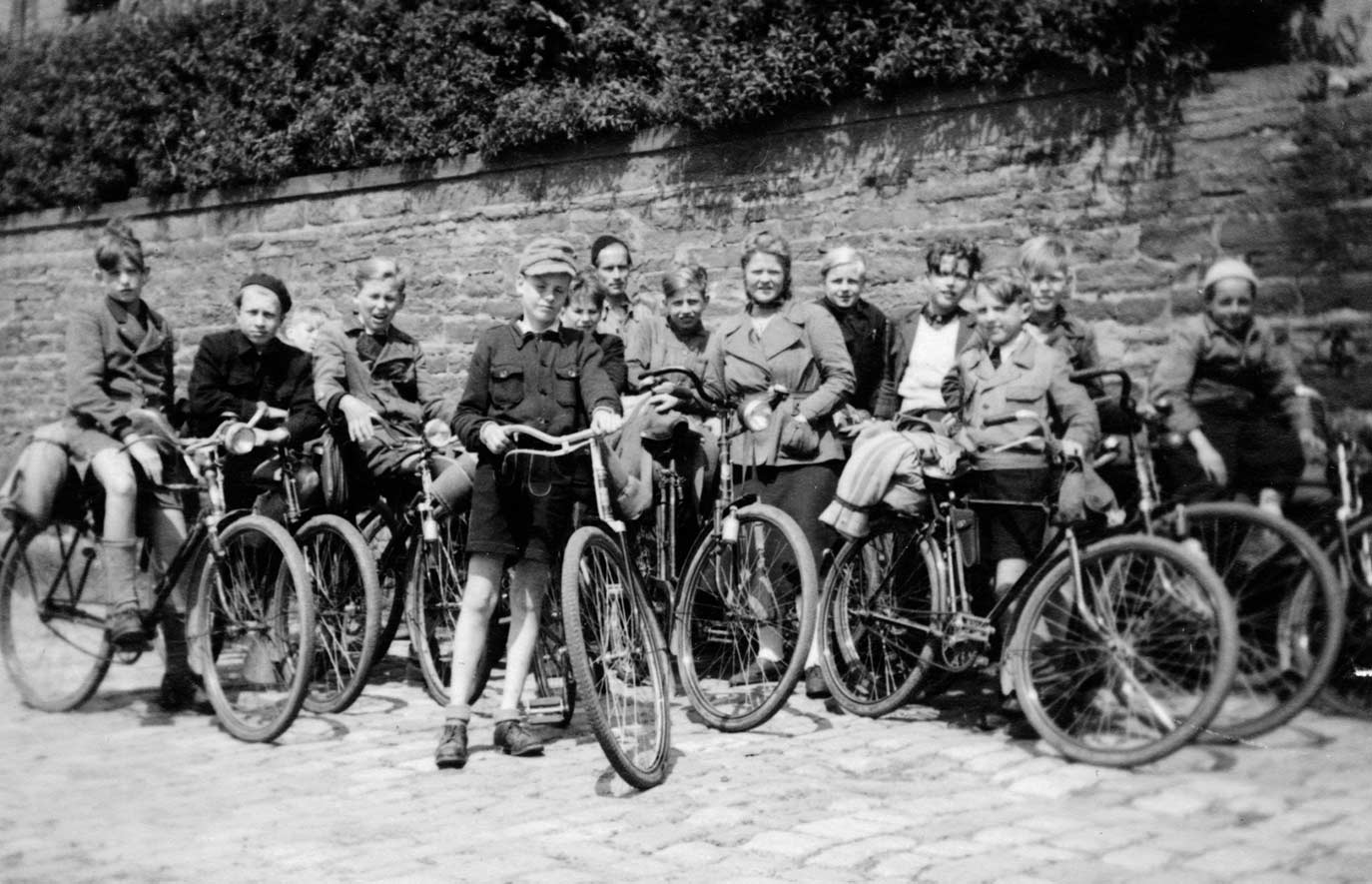
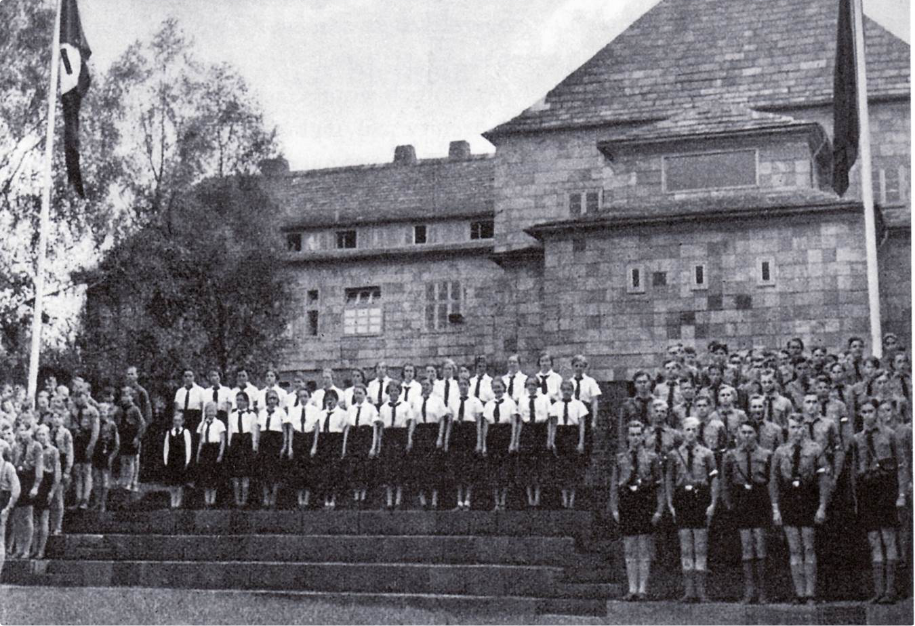
Hitler’s seizure of power marked the beginning of a period of adaptation. Theophil Lehmann initially showed openness to National Socialist ideas, but increasingly had to worry about the independence of the school. After Lehmann’s death in 1943, an SS man took over the management until the end of the war.
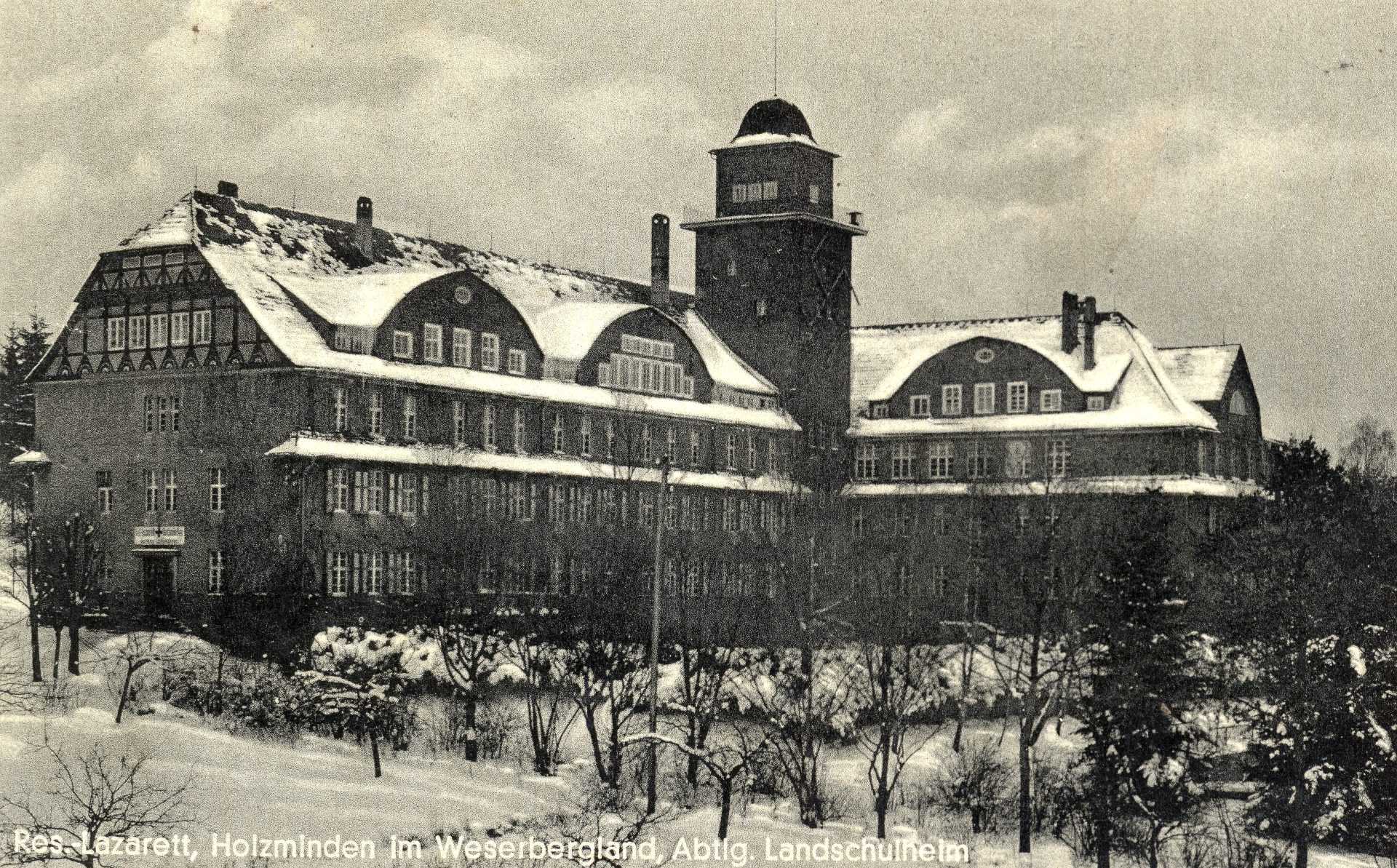
The upper house became a military hospital right at the beginning of the war. However, the school was spared acts of war and destruction until the end.
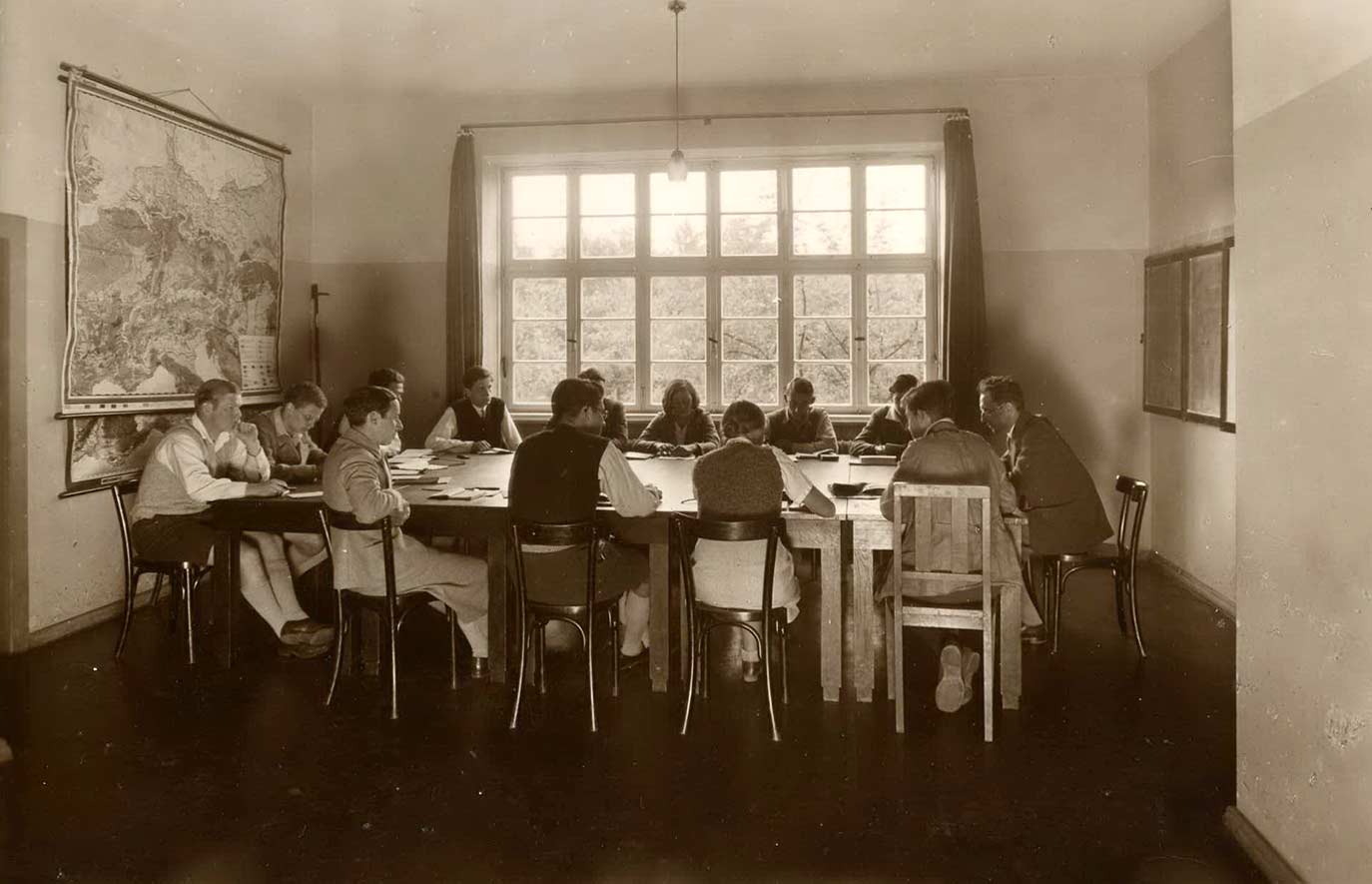
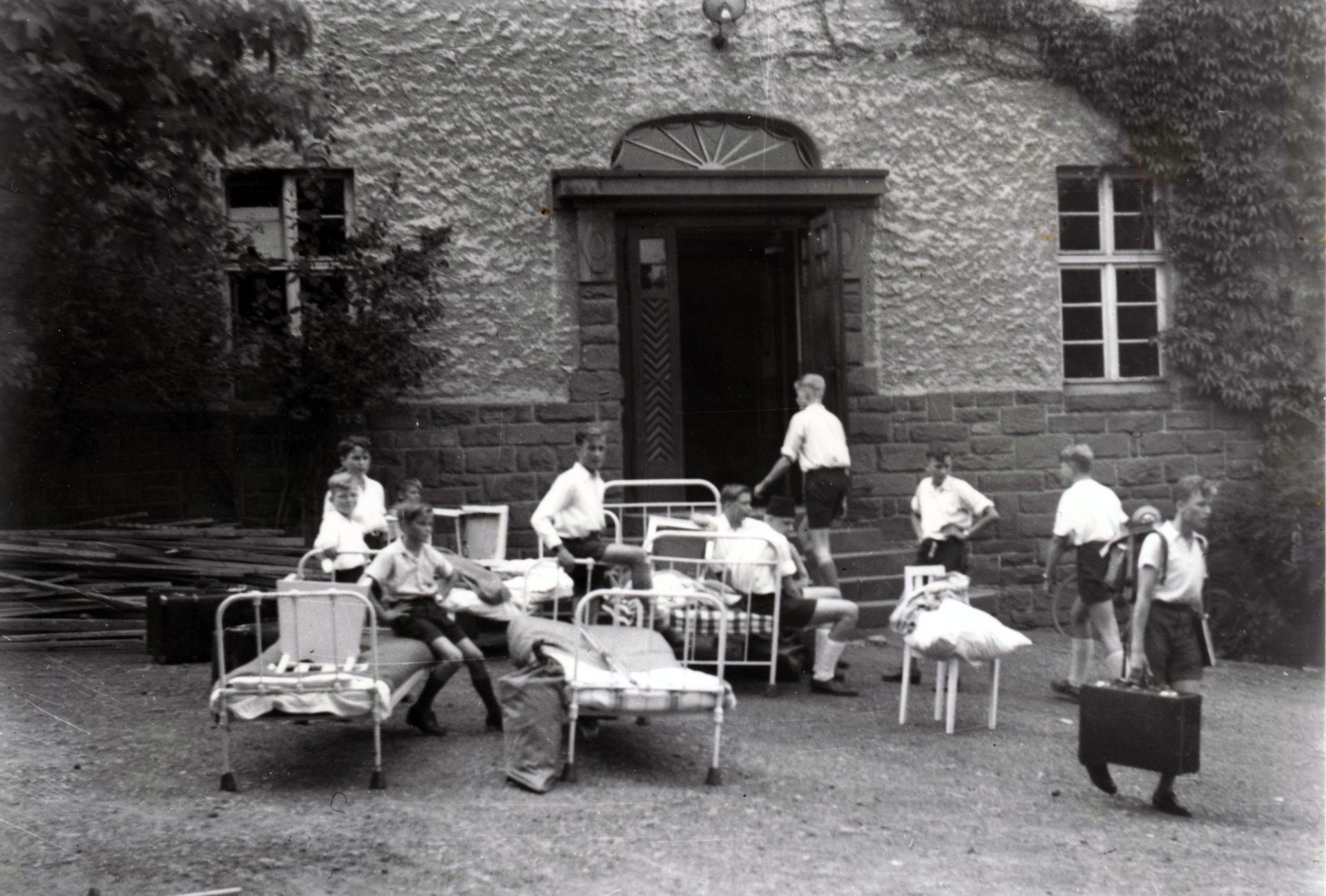
In the autumn of 1945, a core of former employees resumed school operations. With the upswing of the Federal Republic of Germany , the boarding school also quickly picked up again. In the early 1950s, the school reached its highest number of students with over 300 boarding students.
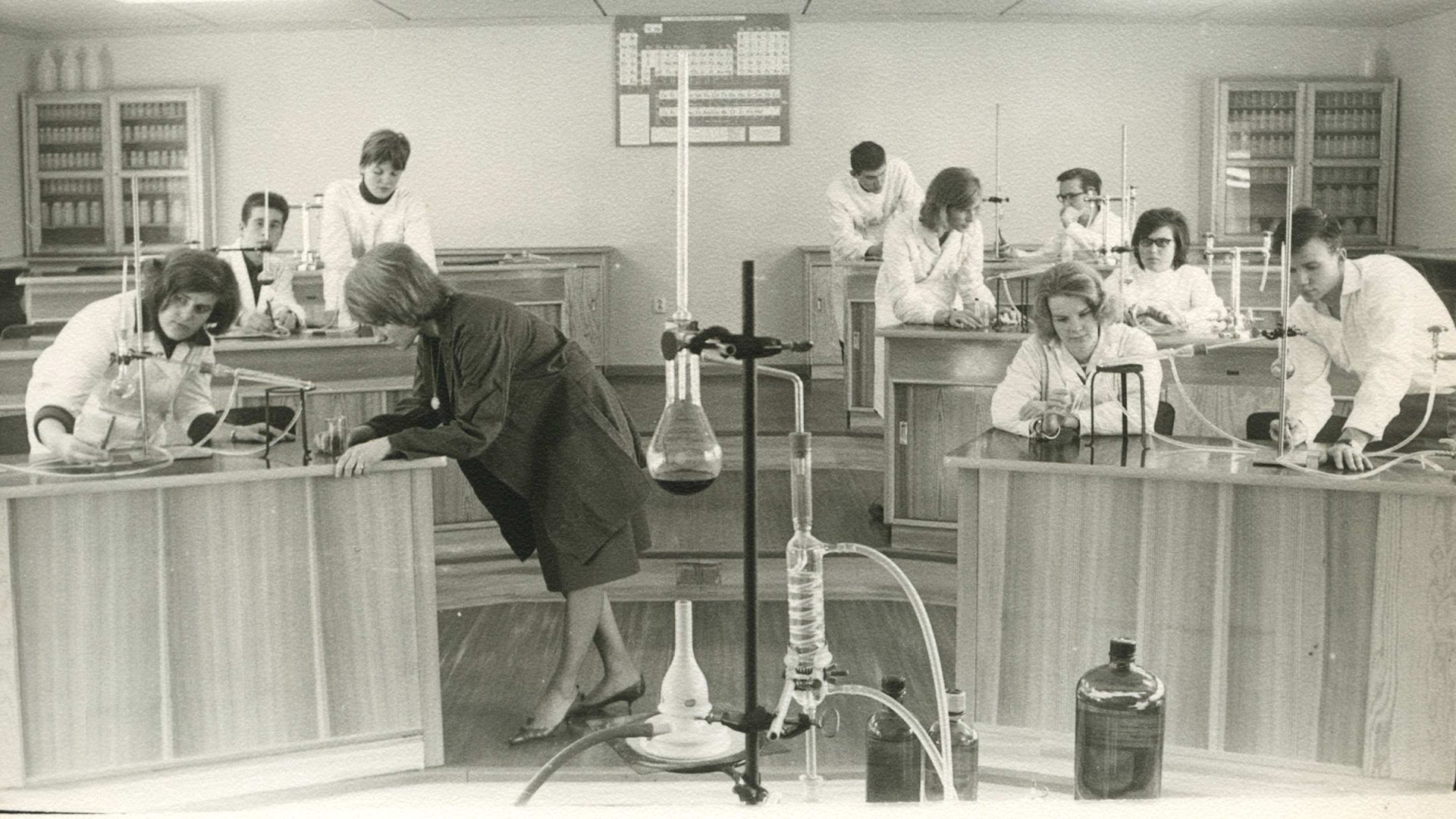
During this time, the Landschulheim am Solling developed into a model of modern upper school reform. The natural sciences were given a new, separate building, the so-called Institute. The “Iberos” (students from Spain and Latin America), who have been present since its founding, at times made up almost a fifth of the student body.
In the seventies, many traditions disappeared. At the same time, the nationwide expansion of educational opportunities led to a decline in demand for boarding schools.
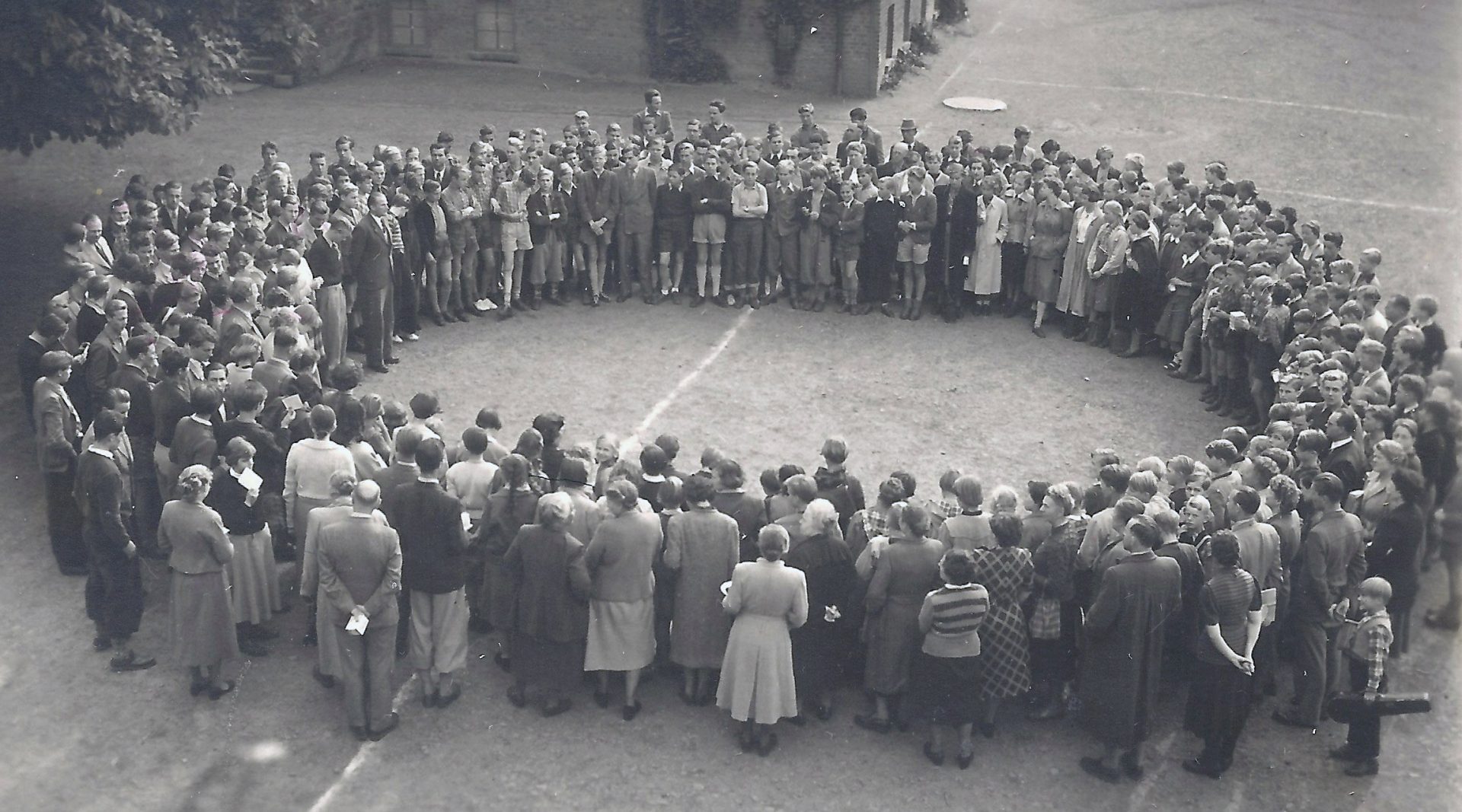
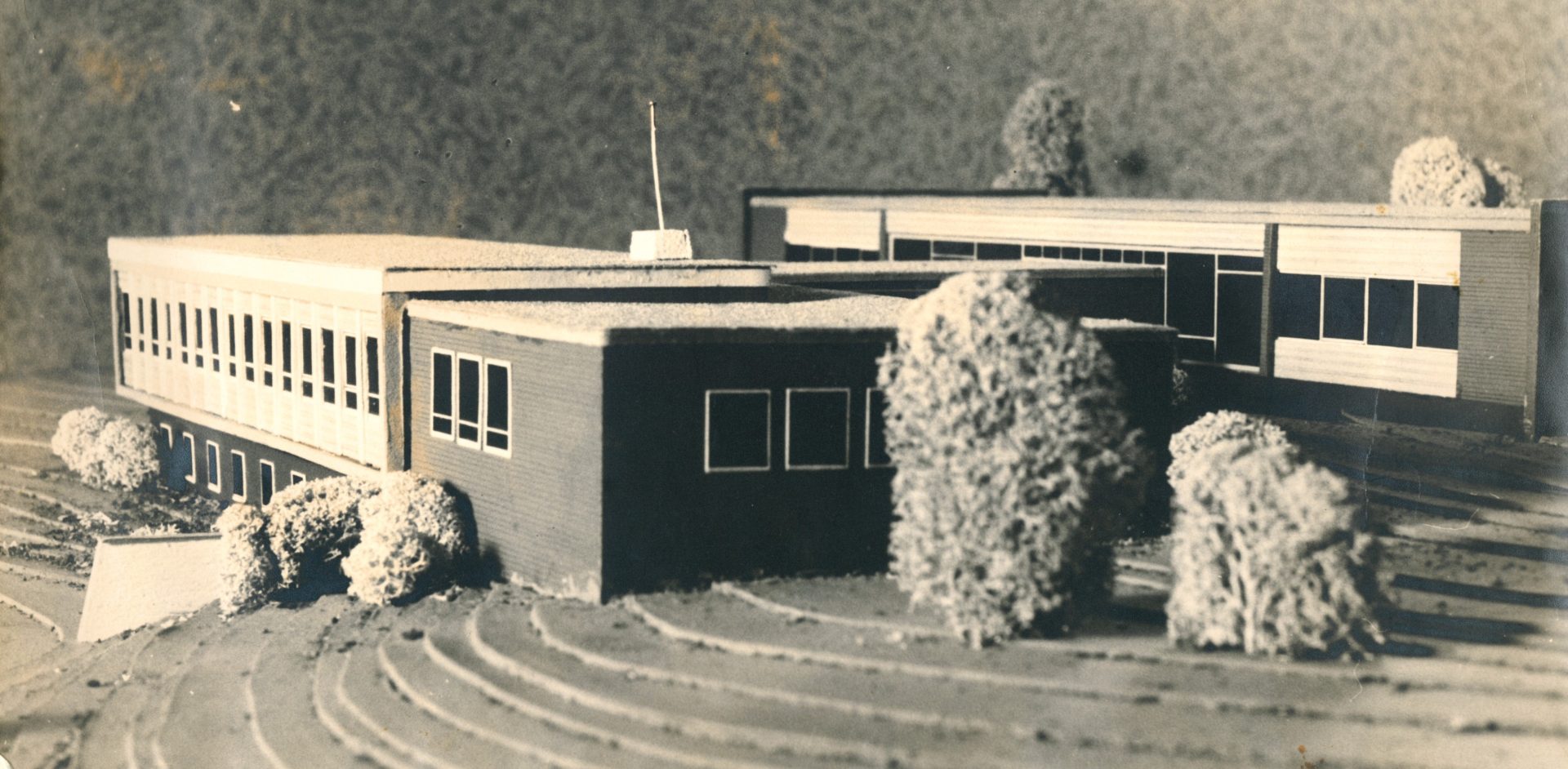


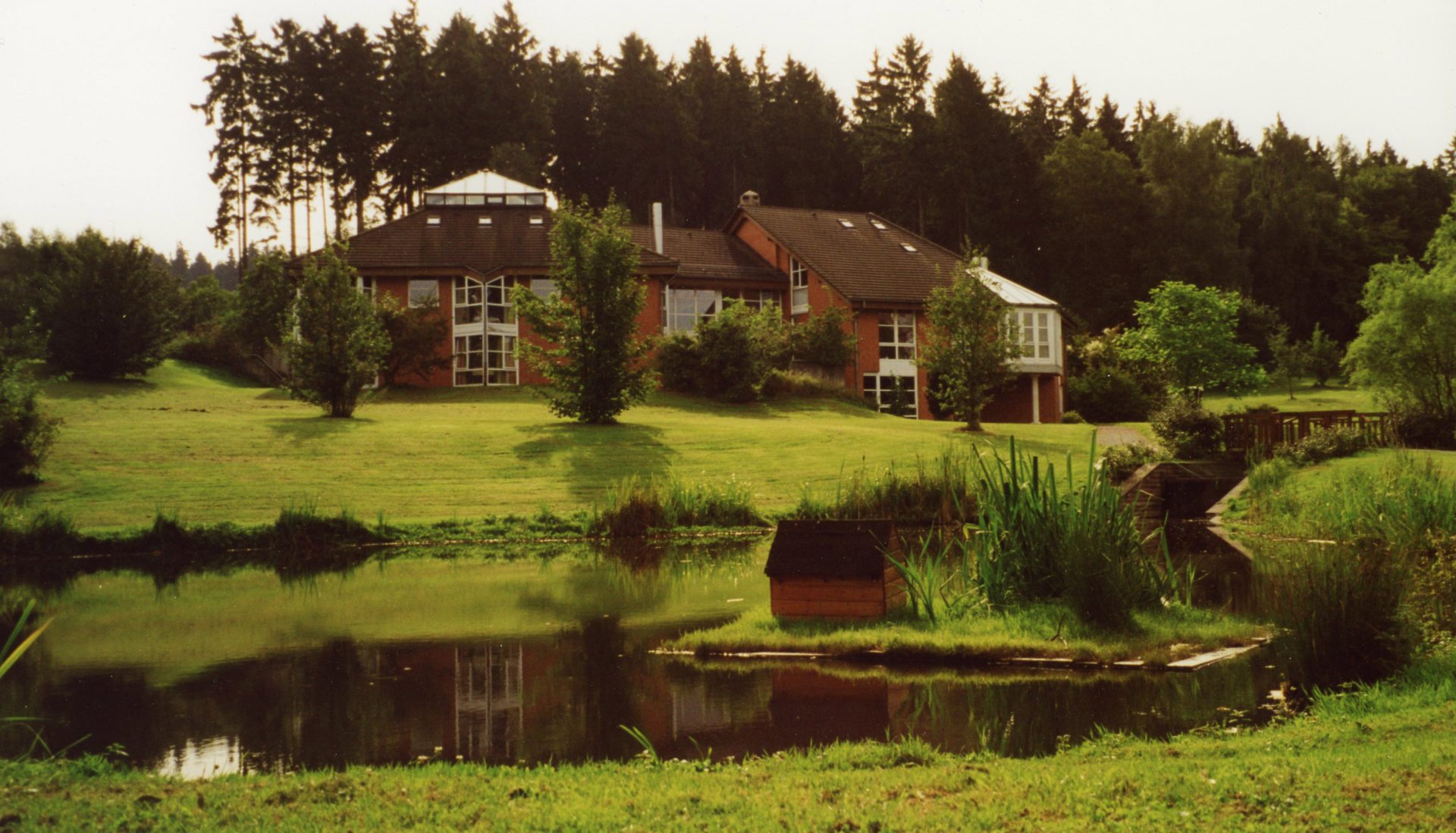
In 1985, the Tannenhaus was rebuilt for the lower school , and some old buildings were sold. Since the 1990s, the equestrian business has experienced a steady upswing, and in the 2000s the school became more and more international. A system of merit-based scholarships has been established. From the 2010s onwards, the STEM subjects became more and more important.
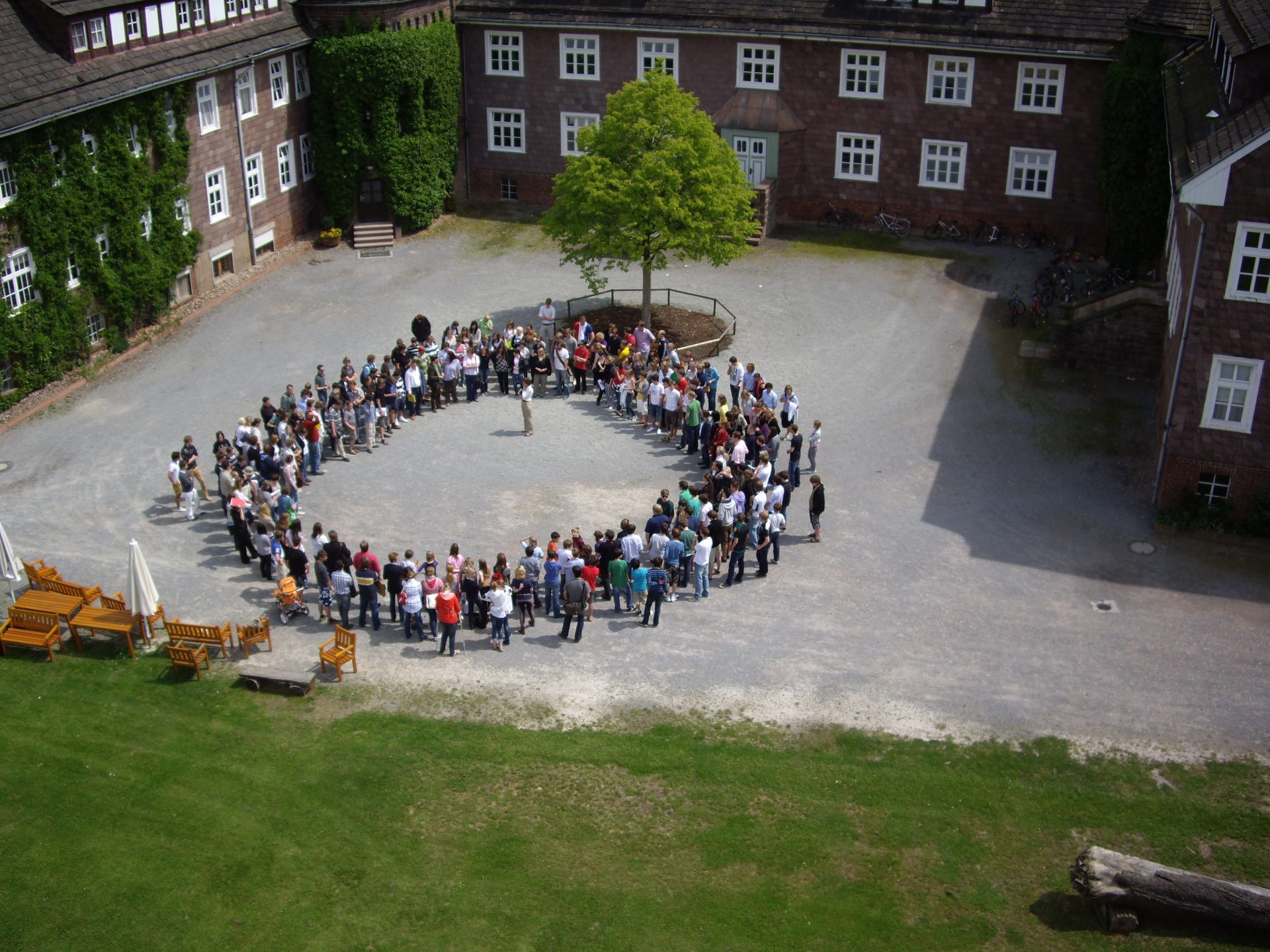
Even before the name was changed to “Internat Solling” in 2013, students, staff, parents, alumni and all friends of the country school home celebrated a glittering celebration in June 2009 Celebration of the 100th birthday .



Archive:
Martin Wortmann
If you would like to learn more about the history of Internat Solling , please feel free to contact us.
You need to load content from reCAPTCHA to submit the form. Please note that doing so will share data with third-party providers.
More InformationYou are currently viewing a placeholder content from Turnstile. To access the actual content, click the button below. Please note that doing so will share data with third-party providers.
More Information